

Checker Tools
Text Tools
- Text separator
- Email extractor
- URL extractor
- Text size calculator
- Duplicate lines remover
- Text to speech
- IDN Punnycode converter
- Case converter
- Character counter
- List randomizer
- Reverse words
- Reverse letters
- Emojis remover
- Reverse list
- List alphabetizer
- Upside down text generator
- Old English text generator
- Cursive text generator
Developer Tools
Generator Tools
Image manipulation tools
- BMP to ICO
- ICO to JPG
- ICO to GIF
- ICO to PNG
- ICO to WEBP
- ICO to BMP
- GIF to JPG
- GIF to ICO
- GIF to PNG
- GIF to WEBP
- GIF to BMP
- HEIC to PNG
- HEIC to GIF
- HEIC to JPG
DMARC Validation
How DMARC Validation Protects Your Domain and Emails
DMARC Validation
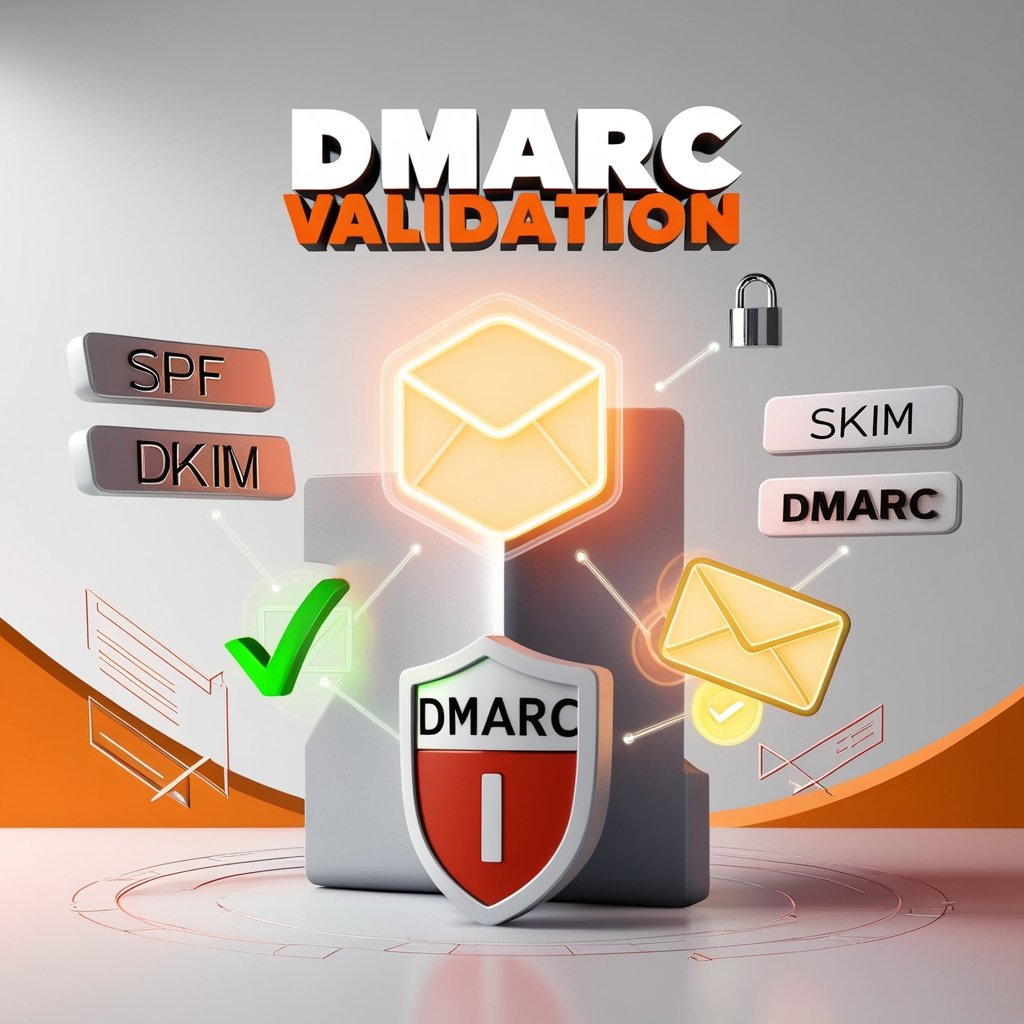
The issue of email security has become a major challenge to both large and small businesses. Amid phishing attacks, spoofed domains, and emails being sent to the spam, it may seem like you can never be certain that your outgoing mail is being accepted by the mail servers. That is where DMARC validation comes in such an action that verifies that your DMARC record is configured correctly, readable, and in line with your SPF and DKIM settings.
DMARC (Domain-based Message Authentication, Reporting, and Conformance) is a collection of guidelines that instruct receiving mail servers on how to treat messages purporting to be of your domain. In the absence of a valid DMARC record, any individual can impersonate you, and email delivery companies have little incentive to believe what you have to say. DMARC validation helps you to check that your policies are correctly formatted and are actually working.
Why DMARC Validation Matters
DMARC is effective, however, similar to most DNS-based settings, it is not difficult to make mistakes. The absence of a semicolon, erroneous tag, or an off-centered policy may cause a breakage of the whole arrangement. Making a DMARC record valid is the way you can find these problems early.
Strengthening Your Email Reputation
When your DMARC record is valid, your emails become more trustworthy. Validation prevents tiny formatting errors that can cause your messages to be rejected or labeled as spam.
Preventing Email Spoofing
DMARC is one of the strongest protections against someone impersonating your domain. Validation confirms that your policy is correctly instructing mail servers to block or quarantine fraudulent emails.
Ensuring SPF and DKIM Alignment
DMARC relies on either SPF or DKIM — ideally both — to authenticate mail. A validator checks whether these records align with your DMARC policy.
Reducing Deliverability Problems
A single mistake in your DMARC syntax can cause legitimate emails to be rejected. Validation helps avoid issues that damage communication with customers, partners, and employees.
Avoiding Misconfiguration During Updates
Whenever you edit your DMARC record, especially when tightening your enforcement policy, validation helps ensure you didn’t accidentally introduce errors.
What a DMARC Validator Checks
A proper validation tool examines your DMARC record thoroughly, including:
- Syntax errors (missing tags, misplaced characters, formatting issues)
- Tag accuracy (p=, rua=, ruf=, sp=, aspf=, adkim=, pct=, etc.)
- Policy alignment (none, quarantine, reject)
- SPF and DKIM alignment
- Report URIs to ensure they are valid and accepted
- Unsupported or deprecated tags
- Duplicate entries
Instead of relying on guesswork, validation clearly points out what’s incorrect and how to fix it.
When You Should Validate Your DMARC Record
DMARC validation isn’t something you do just once. There are multiple moments when it becomes essential:
- When creating a DMARC record for the first time
- After modifying your enforcement policy
- If emails are unexpectedly going to spam
- When moving from p=none to p=quarantine or p=reject
- While solving deliverability issues
- When updating your SPF or DKIM configuration
- After domain migration or DNS changes
Any time your email setup evolves, validating DMARC is a smart step.
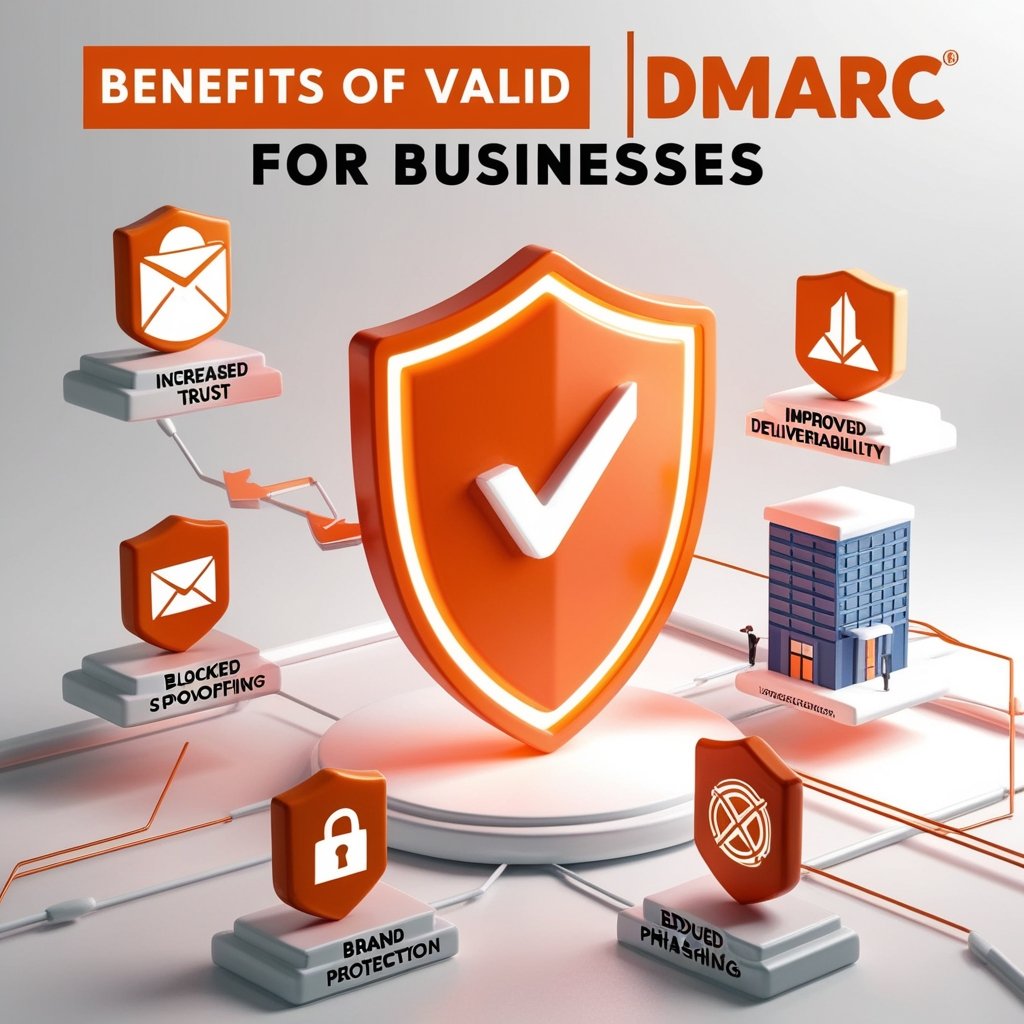
Benefits of Valid DMARC for Businesses
Better Brand Protection
Spoofed emails can damage trust instantly. DMARC validation ensures your domain is harder to misuse.
Higher Inbox Placement
Valid DMARC gives mail providers more confidence that your messages are legitimate, improving deliverability.
Access to Detailed Reports
DMARC aggregate reports help you understand who is sending emails using your domain. Validation ensures those reporting addresses are correctly formatted.
Stronger Security for Remote Teams
With businesses relying heavily on email, proper DMARC setup reduces the risk of phishing attacks targeting employees.
Final Thoughts
DMARC Validation is an important aspect that ensures security of emails, protection of domains and quality communication. A well tested DMARC record ensures that spoofing is prevented, enhances deliverability and also makes sure that your SPF and DKIM settings are collaborating as they are supposed to. DMARC validation will either provide you with more confidence in your DNS configuration or help resolve issues with the email delivery process, or just allow you to have a better understanding of what is going on with your domain.
What happens if my DMARC record is invalid?
An invalid DMARC record may cause receiving mail servers to ignore your policy completely, leaving your domain vulnerable to spoofing and deliverability issues.
Do I need SPF and DKIM before setting up DMARC?
Yes. DMARC depends on at least one (preferably both) to authenticate outgoing email.
Is there a tool to check my domain’s MX records?
Yes, you can use our MX Lookup Tool to view all mail exchange records for your domain. It helps you confirm mail routing, priority values, and DNS settings.
How strict should my DMARC policy be?
Most domains start with p=none to monitor traffic, then move to quarantine, and eventually to reject once everything is aligned.
Why aren’t my DMARC reports showing up?
Incorrect reporting URIs (rua or ruf tags) or missing mailto: formatting can prevent reports from being delivered.
How often should I validate my DMARC record?
Any time you modify DNS, update SPF or DKIM, or change email providers, you should re-validate it.